Special Needs Child Development Instructor Training Course
Understand the child. See the family. Build a process that connects to real life.
Our Next Course Starts November 25, 2026!
Over the years, we have supported families of children with special needs around the world. Drawing on the experience we have gained, we developed a professional training program that provides tools for observation, assessment and building work processes tailored to the unique needs of each child and their family
Get Course Details
The Experience Behind the Training
+26 Years of Experience
Professional experience supporting children and families
A Broad Range of Special Needs
Working with children with a range of syndromes, developmental delays and complex needs
International Experience
Supporting families around the world and training instructors to work with children and families
What Will You Learn in the Course?
Professional Observation and Assessment-
Learn to observe the child, understand their level of functioning, identify needs and set work goals.
Understanding the Child and Development
Introduction to developmental delays, syndromes, and motor, communication, cognitive and behavioral difficulties.
Working Within Everyday Life
Integrating the process into play, meals, bath time, dailyroutines, visits to the park or pool, social encounters and more.
Building an Individual Work Plan
Adapting the work plan to the child and family, based on findings, abilities and needs.
Play, Communication, and Independence
Tools for building connection, adapted play, expanding social abilities, and encouraging independence and a sense of capability.
Parent Guidance and Working with the Family
Understanding the family system, creating collaboration, and giving parents practical tools as a central part of the process.
FAQ
Professional Topics We Will Explore in Depth
– Brain Injuries, Cerebral Palsy (CP), and Epilepsy
– Communication Difficulties and Autism Spectrum Disorder (ASD)
– Cognitive and Behavioral Challenges
– Setting Goals and Assessing Progress
– Working with Families from Diverse Cultural Backgrounds
– Collaborating with Therapists, Educational Professionals and Schools
Learning Through Real Experience
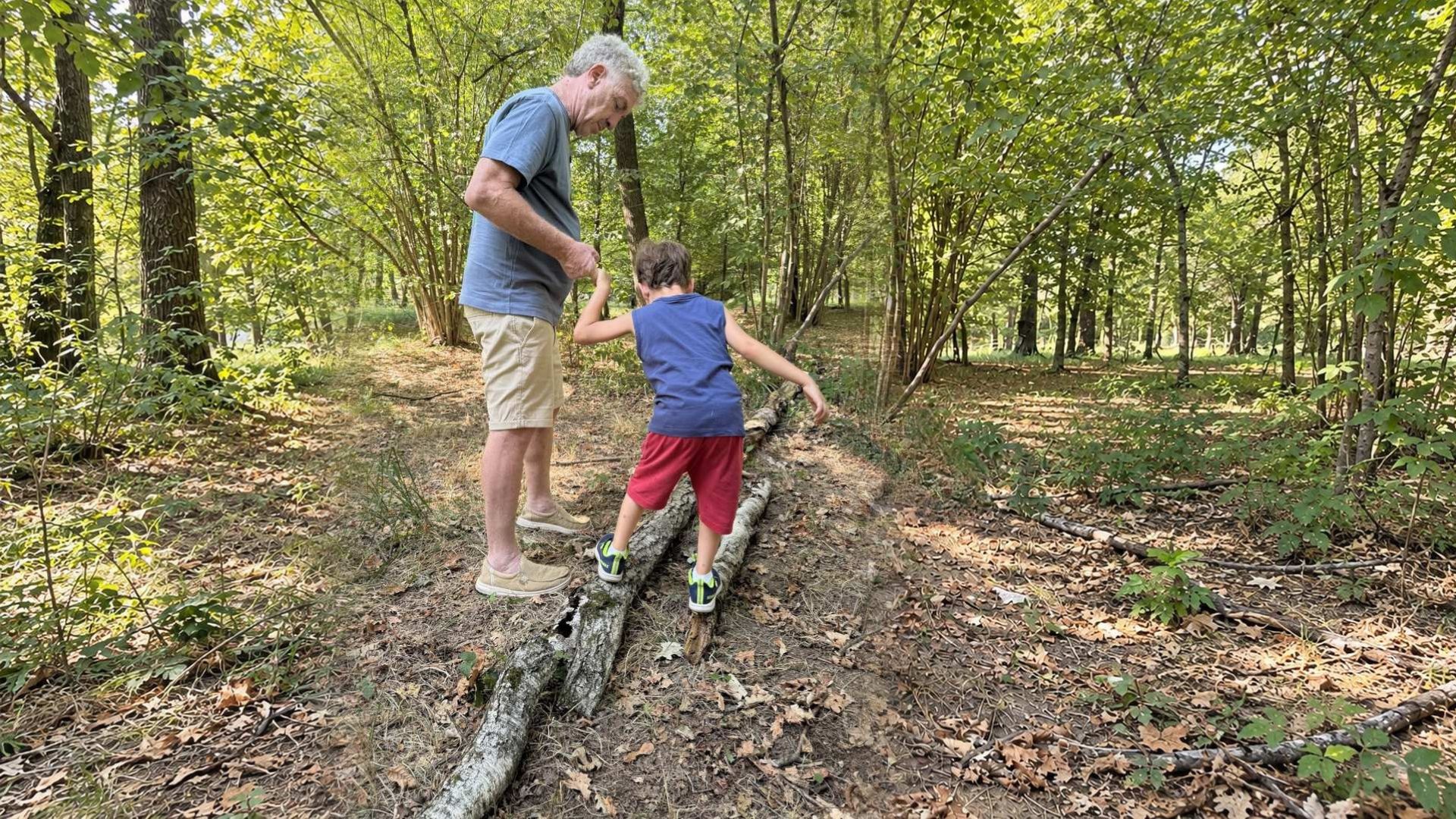
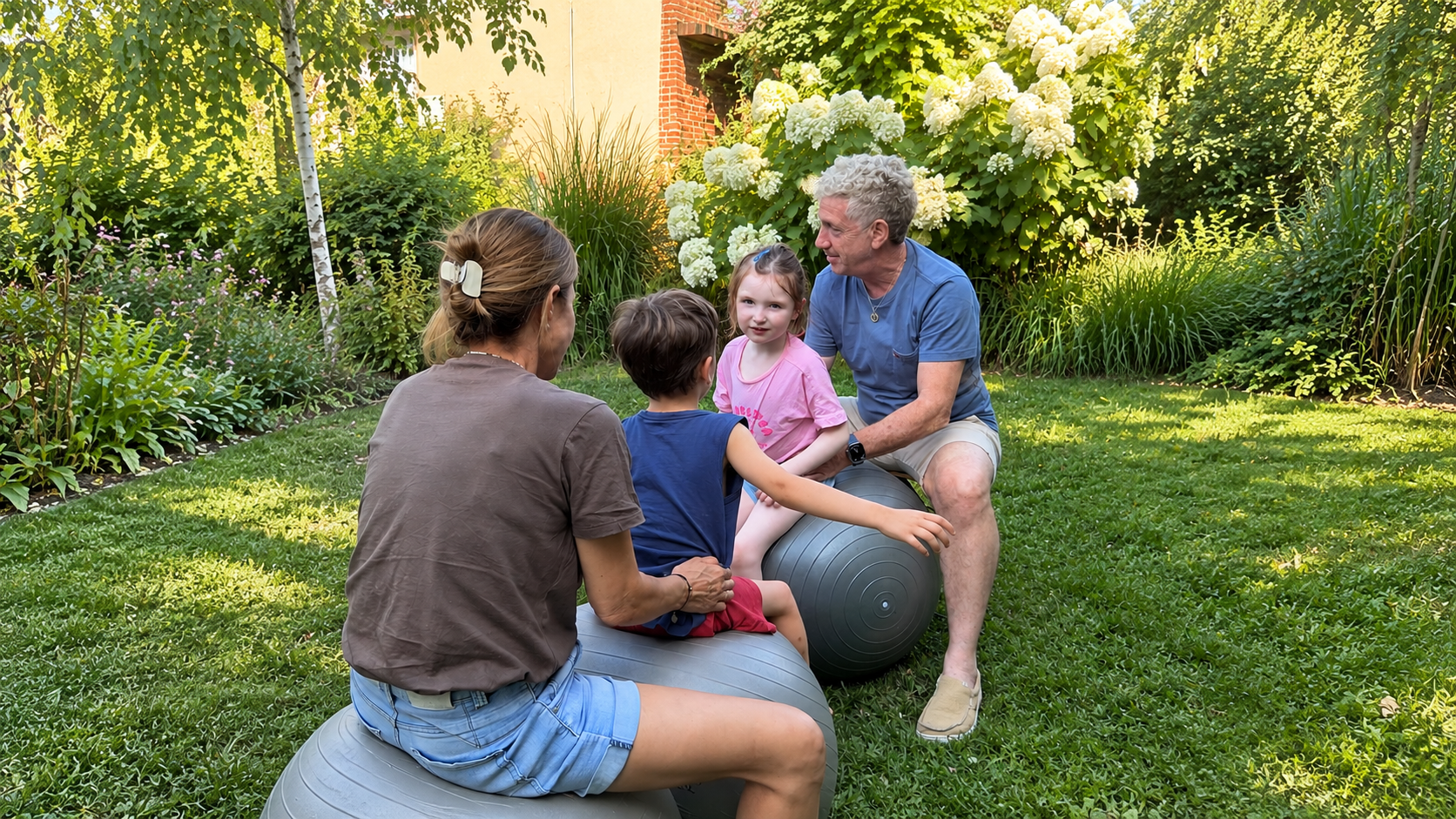
The course includes a practical practicum, with hands-on work and play with children with special needs, as well as activities with families from around the world.
In addition, the course includes advanced Feldenkrais lessons adapted to different developmental stages, with an in-depth focus on movement and biomechanics.
What makes the First-Step Method different?
Working with a child with special needs goes beyond individual sessions or treatment. It involves understanding the child’s movement, communication, behavior, environment, and family life.
During the course, students learn to observe the child from a broader perspective, understand their developmental needs and level of functioning, and build a professional process that integrates into everyday life at home, during play, at mealtimes, and within the family’s daily routine.
A key principle of the First-Step Method is that supporting the child also means guiding the family. By helping parents understand their child and providing practical tools they can use every day, we create more opportunities for learning and progress beyond professional sessions.
Who Is the Course For?
First-Step graduates- subject to an assessment of suitability; applicants without prior training- after completing a preparatory program. All applicants undergo a personal interview, and during the course their suitability for working with children and families is assessed.
The work is adapted for children up to age 16, according to the child’s developmental and functional level and not only their chronological age.
Upon Completion of the Course
Certificate title: “Special Needs Child Development Instructor in the First-Step Method.”
The certificate confirms completion of the studies and practicum; it does not qualify graduates to conduct independent assessments or manage a process independently.
Graduates may work within First-Step and outside First-Step: with families, in developmental centers and in educational or therapeutic settings, according to the role and applicable law.
Meet Our Instructors
The course is led by an experienced team of First-Step professionals:
– Shai Silberbusch- founder of the First-Step Method and child development expert.
– Natasha Frost- a certified Feldenkrais instructor with over 20 years of experience supporting children and families.
– Liza Weiner– Instructor Training Course Manager and certified child development instructor, experienced in supporting
children with special needs and their families
– Sharon Baruch– a developmental instructor specializing in guiding families of children with special needs worldwide.
Families from Around the World Share Their Stories
Ines’ Story- Every Step Matters
Born in Switzerland in 2017, Ines faced serious medical challenges and was later diagnosed with a brain injury and developmental delays.
At age five, her family turned to First-Step for guidance. Following an assessment with Shai Silberbusch, Ines began an individualized developmental program.
Over time, she learned to crawl, stand independently, improve her balance and coordination, and become more independent in everyday activities such as eating and drinking.
Today, First-Step continues to support Ines and her family as she works toward new developmental goals.
Watch Ines’ journey-
Margherita’s Story- A Journey Toward Independence
Born in Italy with a KCNQ2 genetic mutation and epilepsy, Margherita faced significant developmental challenges.
When she first met the First-Step team at age two, she was unable to sit or crawl independently and showed little motivation to move.
After six months of therapy, Margherita took her first steps. Two and a half years and 13 intensive therapy processes later, she was walking independently, communicating verbally, and gaining greater confidence and independence.
Her ongoing program also focused on developing cognitive skills, attention, and functional speech.
Watch Margherita’s journey-